
The Choice at the Peak: Why a Harvard Business School Dean Left for BYU and Found Her Greatest Blessing
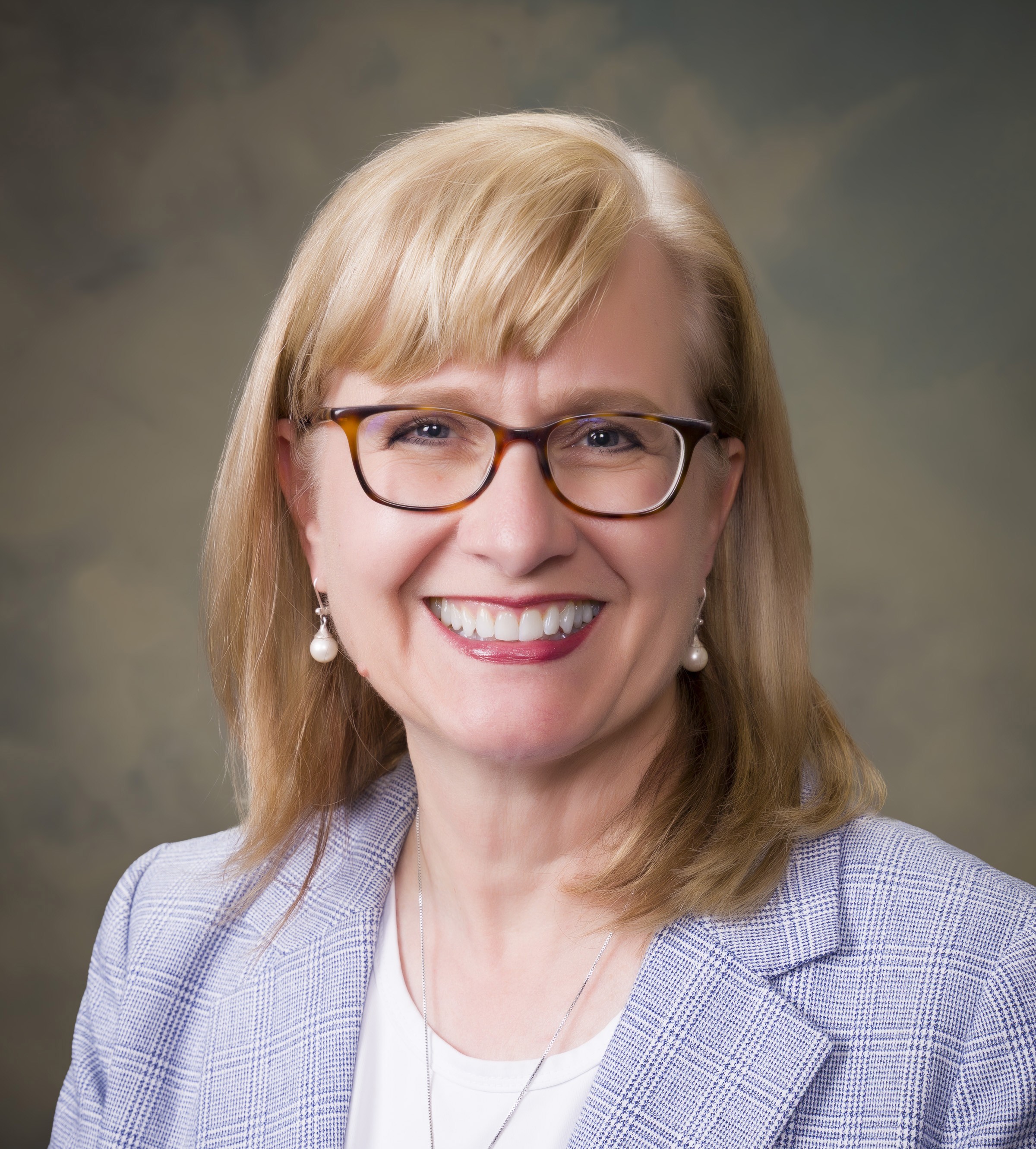
The decision came down to a single question. Not "Which job offer is better?" or "What career advancement should I choose?" But something far simpler and far more consequential: What does God want me to do?
For Brigitte Madrian, that question marked a turning point. At the peak of her career as a behavioral economist at Harvard Kennedy School, she faced an unexpected opportunity: the chance to lead the BYU Marriott School of Business, part of a university sponsored by The Church of Jesus Christ of Latter-day Saints, as its first woman dean. It meant leaving Boston, stepping back from prestigious academic leadership, and embracing something she hadn't considered. Yet when she asked God what He wanted instead of asserting her own ambition, everything changed.
Her story teaches us something meaningful about defaults, systems, faith, and how the small choices we make shape our entire spiritual trajectory.
The Research That Changed Millions
Brigitte's work at Harvard focused on one deceptively simple question: How do defaults shape the decisions people make?
For decades, employers offered retirement savings plans with generous matching, yet many employees didn't enroll. It seemed illogical. The financial stakes were enormous, potentially hundreds of thousands of dollars over a lifetime. The effort required was minimal. Yet the results were clear: when employers made enrollment automatic and required employees to opt out if they didn't want the plan, participation rates jumped by more than 50 percentage points.
The insight was significant. It wasn't about motivation or education. It was about architecture. The way a choice is framed, meaning what the default option is, shapes outcomes more than almost anything else.
This research influenced pension law in the United States and beyond. It touched hundreds of millions of people. It changed the conversation about how institutions can facilitate better financial outcomes for the people they serve.
Yet standing at the peak of this professional achievement, Brigitte realized her research had taught her something deeper than economics.
The Choice: Harvard or Home
When the invitation came to interview for the BYU dean position, Brigitte nearly declined. She had no deep connection to the business school. Harvard was offering her advancement. Her colleagues couldn't understand why she'd consider leaving.
But something was shifting inside her. A sense that God had something different in mind.
When she spoke to Elder Kim Clark, a former business school dean himself and then a General Authority Seventy, she asked how she should weigh the two opportunities. His answer redirected her entire life: "You're asking the wrong question. The question you should be asking is what does God want you to do?"
That night, at a women's fireside, Brigitte heard Sharon Eubank share the story of Esther. When Esther feared going to the king, her cousin Mordecai told her: "If God is going to save the Jewish people, He will do it with or without you. But perhaps you have been called to the kingdom for such a time as this."
Brigitte felt those words as a direct message. Good things will happen at BYU with or without her. But perhaps she had been called to the kingdom for such a time as this.
She came home to BYU.
Small Systems That Shape Everything
One of Brigitte's discoveries since arriving at BYU applies her own research to her faith life.
During the pandemic, temples closed. Brigitte couldn't attend the temple as she once did. But instead of accepting the distance, she did what any good behavioral economist would do: she changed the defaults.
She altered her commute to drive past the temple every evening. She didn't stop every night, but every few days she would stop to walk the temple grounds. It was a small system, a default path that made the temple present in her daily routine.
When temples reopened, she placed her temple bag in her car trunk. Now, if she was ever inspired to attend, she had no excuse. The system was in place.
Then she took the ultimate step: she became an ordinance worker. Now she serves every Saturday afternoon for four hours. She describes these as "the happiest four hours a week" of her life.
What has changed? Her understanding of gospel doctrine has increased exponentially. Her peace in daily life has grown. Her ability to navigate difficulty without being "ruffled and bothered" has transformed.
Nathan Gwilliam, host of Why We Believe, shared his own experience with defaults. He created a personal system: he will not listen to his beloved audiobooks until he has studied his scriptures first. One simple default. One chosen architecture. Now he studies scriptures every day, not through willpower, but through system design.
The pattern is clear. We don't change through motivation alone. We change by redesigning the defaults that govern our choices.
Gospel Truths Hidden in Unexpected Places
When Brigitte came to BYU, she wanted to connect with students. She decided to give a devotional based on gospel truths found in the Harry Potter series, a topic most academic communities would dismiss.
But Brigitte had learned something at Harvard. A colleague had invited her to join a study group that read Harry Potter as a sacred text, examining it for wisdom rather than entertainment. The practice transformed how she saw the books.
One scene captivated her. In "Harry Potter and the Prisoner of Azkaban," the Time Turner allows Harry and Hermione to go back in time. In watching his earlier self face the Dementors, Harry realizes something shocking: he is the one who must cast the saving spell. His future self must save his past self so that his future can exist.
The lesson struck Brigitte with force. The Harry Potter scene became a visual parable of a gospel truth she had taught in her own devotional: our vision of who we can become, grounded in God's vision of who we are, carries us through every darkness.
What We Learn From Defaulting to God
Brigitte's journey teaches us five core truths that apply to every person's spiritual life:
The small, intentional systems we build shape our spiritual outcomes and draw us closer to Christ. Parents who model faith in Christ without complaint teach their children more than words ever could. Small experiences of the Holy Ghost, compounded over time, build a testimony too strong to question. Increased temple worship deepens gospel understanding and brings peace the world cannot offer. Asking "What does God want?" instead of our own will opens us to divine blessings beyond imagining.
These aren't abstract principles. They are lived truths, tested and proven in the life of someone who stood at the peak of worldly achievement and chose God instead.
Why This Matters Now
In a culture that celebrates advancement, achievement, and climbing higher, Brigitte's choice to step back and ask God what He wanted reads as countercultural. Foolish, even, to some.
Yet her life since that choice has been richer, deeper, and more peaceful than the highest achievement could have offered. The temple has become her sanctuary. Her faith has become her foundation. Her work leading the business school, grounded in that spiritual place, has had greater impact than any career advancement at Harvard could have provided.
Her research on defaults was right. We are shaped far more by the systems we inhabit than by our individual willpower. But Brigitte has learned something her earlier research couldn't capture: the most important default we can choose is to default to God. To say yes when He calls. To ask His will before asserting our own. To design our lives around temple worship, prayer, scripture study, and service.
That choice, made once with clarity, redesigns everything that follows.
Thank you for reading this week's blog post inspired by the Why We Believe show. If you are interested in more stories like this, you can check out our other blog posts and episodes at WhyWeBelieve.com, or listen on Apple Podcasts and Spotify.
Follow the Why We Believe ShowWhyWeBelieve.com | YouTube: @WhyWeBelieveShow | LinkedIn: @Why-We-Believe-Show | Instagram: @WhyWeBelievePodcast
Follow Nathan Gwilliam LinkedIn: @NathanGwilliam | Website: PodUp.com | Podcasts - Why We Believe: WhyWeBelieve.com | Podcasting Secrets: PodcastingSecrets.com
Follow Brigitte Madrian LinkedIn: @BrigitteMadrian | X: @BrigitteMadrian | Website: BYU Marriott Bio



Comments