
Bestselling Author Patrick Mason Shares the True Miracle of Belief and Belonging in an Age of Doubt
Patrick Mason has spent his career inside the hardest questions of Latter-day Saint history, the ones that shake other people's faith. He holds the Leonard J. Arrington Chair of Mormon History and Culture at Utah State University, and he wrote the book many bishops, stake presidents, and parents now hand to members walking through doubt. But this episode is not really about his scholarship. It is about a woman at a fireside who looked him in the eyes and asked where she could go to read more, and about the years afterward when his own wife, a convert with none of his cultural baggage, kept teaching him what the gospel of Jesus Christ actually is.
In this episode of Why We Believe, Patrick shares the prayer in the MTC that became the foundation of his testimony of Jesus Christ, the fireside moment that moved him to write Planted, and what teaching devout Muslim students in Cairo and worshipping with four elderly sisters in a tiny Romanian branch taught him about the gospel and the culture that surrounds it. He talks about the mission companionship he almost let unravel, the lesson in burying weapons of war, and why he believes the Church and the family are the two schools God gives us to learn how to love. Patrick's witness is simple. Faith is a gift from God, and he has spent his life trying to honor it.
Loved this episode? Hit Follow and share it with someone who needs to know the difference between the gospel and the culture that surrounds it. Leave a review for Why We Believe on Apple Podcasts, Spotify, or YouTube. Your support helps us bring more inspiring conversations like this to listeners everywhere!
Visit WhyWeBelieve.com to download your FREE guide on 13 Strategies to Increase Faith in Jesus Christ, to support you as you strengthen your own testimony of Jesus Christ.
Follow the Why We Believe Show Follow Nathan Gwilliam
Website: WhyWeBelieve.com | YouTube: @WhyWeBelieveShow | LinkedIn: @Why-We-Believe-Show | Instagram: @WhyWeBelievePodcast
LinkedIn: @NathanGwilliam | Website: PodUp.com | Podcasts - Why We Believe: WhyWeBelieve.com | Podcasting Secrets: PodcastingSecrets.com
X: @patrickqmason | Faculty Profile: USU History, Cultures, and Ideas | Podcast links - Instagram: @proclaimpeace | Spotify: Proclaim Peace podcast
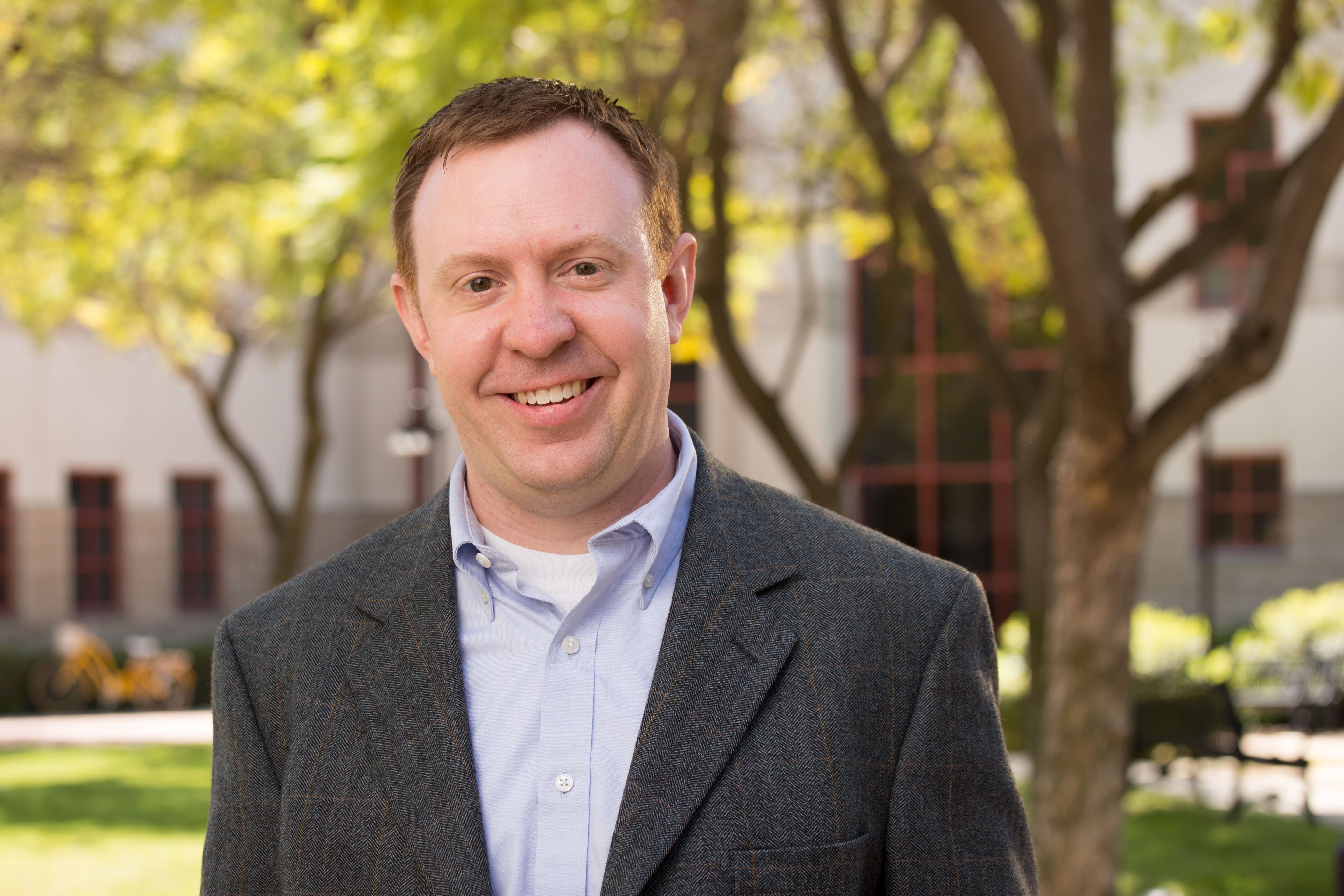
How a Historian of Mormon History Found the Gospel Beneath the Culture
A woman stood at a fireside microphone with pain in her eyes and asked where she could go to read more. The man at the pulpit had spent his career studying the hardest questions in the history of The Church of Jesus Christ of Latter-day Saints, and in that moment he had no answer to give her. He had also, years earlier, married a woman raised Catholic who would spend the rest of their marriage quietly showing him the difference between the gospel he believed and the culture he had grown up inside of.
That historian is Patrick Mason, who holds the Leonard J. Arrington Chair of Mormon History and Culture at Utah State University and is the author of Planted: Belief and Belonging in an Age of Doubt and Restoration: God's Call to the 21st Century World. He has spent his professional life inside the questions that faith communities find hardest to answer.
In this episode of Why We Believe, host Nathan Gwilliam sits down with Patrick to talk about the moments that actually built his testimony of Jesus Christ, the mission companionship that nearly broke, the tiny branch in Romania that reshaped his sense of what the Church is for, and the wife who keeps showing him the difference between the gospel and the culture he was raised in.
A Testimony Won on His Knees
Patrick grew up in a faithful home in Sandy, Utah, the kind of household where the gospel was less a lesson than a rhythm. His parents served constantly, and he absorbed their faith more than he chose it. He says plainly that by the time he left for his mission, his testimony was as much inherited as it was his own.
That changed in the Missionary Training Center. After a fireside on Jesus Christ, Patrick and his companion returned to their dorm room, and he knelt to pray. He describes it as the most powerful spiritual experience of his life, an answer that came from outside himself, undeniable and impossible to explain away. It gave him a settled witness that Jesus is the Christ, his Savior and Redeemer.
Not long after, in an eight o'clock Book of Mormon class at Brigham Young University, a professor played a recorded talk by President Howard W. Hunter. Patrick does not remember the content of the talk. He remembers the certainty that came over him that the man speaking through the screen was truly a prophet of God. He calls these two experiences the twin pillars of his testimony, the foundation everything else in his life has been built on.
What His Mission Taught Him About Leading With Love
Patrick is honest that his mission was not only spiritual triumph. He struggled with patience toward his companions, sometimes more generous with investigators than with the missionaries he served beside every day.
The clearest example came when he served as a district leader and had to interview a baptismal candidate. He did not feel she was ready, and he told her so, hoping to meet again soon. Another missionary took the decision personally, certain Patrick was targeting him, and the disagreement spread through the district until it soured the spirit for everyone involved.
At a fireside, someone taught on the Anti-Nephi-Lehies burying their weapons of war, and Patrick felt the same prompting land on him directly. He apologized, and though the friendship never became easy, the tension broke. He learned that following Christ sometimes means setting down being right in favor of being at peace.
The Same Gospel in Cairo and a Tiny Branch in Romania
After earning a doctorate in American religious history at the University of Notre Dame, Patrick took a teaching post at the American University in Cairo. His best students, he says, were devout Muslim women who spoke openly about their faith and organized their entire lives around it. Five times a day, the call to prayer would interrupt his lectures, and the whole classroom would simply pause. He came to admire the seriousness with which they lived their belief.
Years later, Patrick and his wife moved to Romania, where he taught at a university and served as branch president of a congregation that, before they arrived, consisted of four elderly sisters. He did not speak Romanian. Those women became something like surrogate grandmothers to his children, and Patrick says the tiny branch in western Romania was united by the exact same things that unite his ward in Logan, Utah today.
Neither experience made him doubt his own faith. Both convinced him that the truths he holds sacred are not confined to a single culture or a single country. They travel.
A Wife Who Sees the Difference Between Gospel and Culture
Patrick's wife joined the Church as a student at Notre Dame, raised Catholic, with no Latter-day Saint relatives and no cultural inheritance to draw on. She joined because she felt God calling her there, not because of any tradition she had absorbed.
That absence of cultural baggage turned out to be a gift to Patrick. Early in their marriage, she would occasionally respond to something he said with simple disagreement, and he would catch himself assuming everyone believed it. Often what he had taken for doctrine was really just something he had grown up with, a regional habit or an assumption from his own upbringing rather than a teaching of the gospel.
Patrick says she continues to remind him of what the Church is actually meant to be. Not a set of cultural expectations, but a community of imperfect people trying to follow Jesus Christ and love one another well.
Why He Wrote Planted
In the early 2010s, before the Church had published many of the historical resources available today, Patrick was invited to give firesides answering questions about difficult moments in Church history. People kept asking him where they could read more, and he often had nothing to offer them.
At one fireside in his mother's stake, a woman asked that same question, and Patrick says he could see real pain in her eyes. She needed something to hold onto. Standing at the pulpit, he felt the Spirit tell him plainly that he needed to do something himself.
That prompting became Planted: Belief and Belonging in an Age of Doubt. Patrick says the book's central message is to abide in the vine, to root a testimony in Jesus Christ rather than in any of the historical or cultural questions that surround Him. Christ is the center. Everything else is an appendage.
Key Takeaways
Faith is a gift of grace from God, not something any of us earns through study or effort, and the task before us is simply to honor it. When history or culture raises hard questions, the wise response is to root a testimony in Jesus Christ, the true vine, and treat everything else as an appendage that can bend without breaking what matters. The gospel of Jesus Christ is not identical to the culture that surrounds it in any particular place, and learning to see that difference makes faith sturdier rather than more fragile. Christ's witness reaches people through the Spirit, but disciples learn to actually live like Him by loving the specific, imperfect people He places in their path, including companions, spouses, and ward members they never would have chosen on their own. The prophets and pioneers who came before us were mortal men and women who leaned on the Atonement of Jesus Christ exactly as we do today, and expecting them to have been perfect misunderstands both history and grace.
Thank you for reading this week's blog post inspired by the Why We Believe show. If you are interested in more stories like this, you can check out our other blog posts and episodes at WhyWeBelieve.com.
Follow the Why We Believe Show
Website: WhyWeBelieve.com | YouTube: @WhyWeBelieveShow | LinkedIn: @Why-We-Believe-Show | Instagram: @WhyWeBelievePodcast
Follow Nathan Gwilliam
LinkedIn: @NathanGwilliam | Website: PodUp.com | Podcasts - Why We Believe: WhyWeBelieve.com | Podcasting Secrets: PodcastingSecrets.com
Follow Patrick Mason
X: @patrickqmason | Faculty Profile: USU History, Cultures, and Ideas | Podcast links - Instagram: @proclaimpeace | Spotify: Proclaim Peace podcast