
Filmmaker Paralyzed for Life at 15. Then God Answered His Prayer (with Garrett Batty)
Garrett Batty has spent his career turning faith-based stories into cinema, but the story that shaped him most started in a hospital bed when he was 15. A routine scoliosis surgery had dropped bone chips into his spinal cord and left him paralyzed. The doctors began training him for life in a wheelchair. Lying alone, Garrett whispered a question to his Father in Heaven and asked if a wheelchair was really the plan. Then he felt his paralyzed foot move. Forty days later, he walked out of the hospital.
In this episode of Why We Believe, Garrett shares the open heart surgery he survived at six, the prayer that began his deepest faith in Christ, and why he chose faith-based filmmaking over a more lucrative path. He talks about a mission president in New York who taught him the spirit of the law, the Russian father who returned a missionary's snow cap years after the real Saratov kidnapping took place, the South African film crew who asked for 120 copies of the Book of Mormon by the final week of production, and how the Help Them See Foundation now connects mission-driven donors to faith-based stories. His witness is that Christ is in relentless pursuit of His children, leaving fingerprints in every life He has touched.
Loved this episode?Hit Follow and share it with someone who needs to know that God answers prayer in the moments we feel most alone. Leave a review for Why We Believe on Apple Podcasts, Spotify, or YouTube. Your support helps us bring more inspiring conversations like this to listeners everywhere!
Visit WhyWeBelieve.com to download Your FREE guide on 13 Strategies to Increase Faith in Jesus Christ, to support you as you strengthen your own testimony of Jesus Christ.
Follow the Why We Believe Show - Website: WhyWeBelieve.com | YouTube: @WhyWeBelieveShow | LinkedIn: @Why-We-Believe-Show | Instagram: @WhyWeBelievePodcast Follow Nathan Gwilliam - LinkedIn: @NathanGwilliam Follow Garrett Batty - LinkedIn: @garrettbatty | Instagram: @garrettbatty | Help Them See Foundation: HelpThemSeeFoundation.org
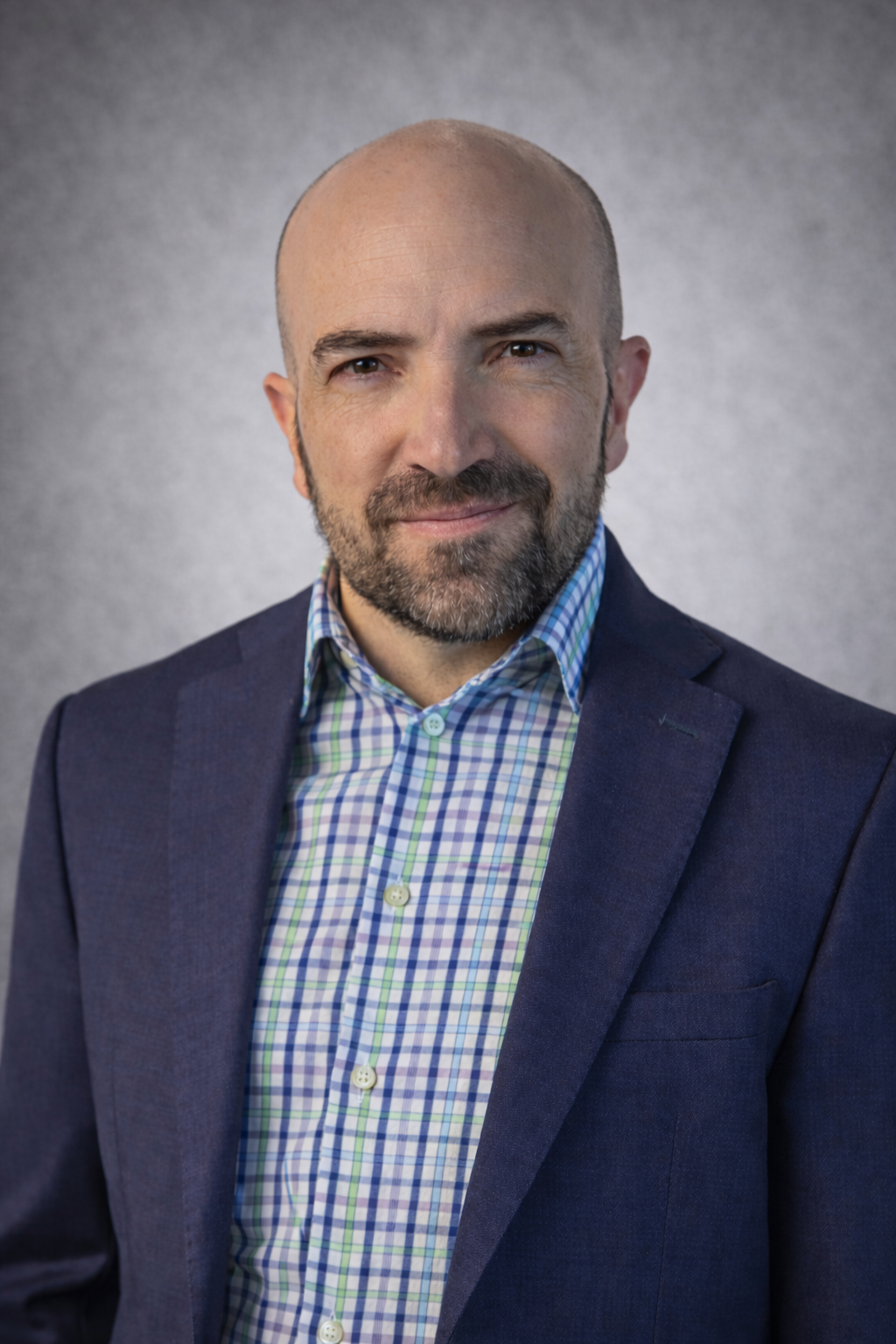
Why a Faith-Based Filmmaker Believes Christ Is in Relentless Pursuit
The doctors had a plan. Garrett Batty was 15 years old, lying in a hospital bed in Utah, his body unresponsive from the chest down after a routine scoliosis surgery had gone wrong. Bone chips dropped during the operation had damaged his spinal cord. The medical team had already shifted from corrective treatment to rehabilitation training. He would learn to live in a wheelchair. They started teaching him the transitions, the showering routines, the daily mechanics of a life he had not chosen. Alone in his room that night, Garrett whispered a question to his Father in Heaven. Was a wheelchair really the long-term plan? In the quiet that followed, he felt his paralyzed foot move.
Today, Garrett Batty is the filmmaker behind The Saratov Approach, Freetown, Out of Liberty, and Faith of Angels. He is a BYU film graduate, a Park City native, and the co-founder of the Help Them See Foundation, which connects mission-driven donors with faith-based stories and has raised over a million dollars in its first ten months. Ask him how he got here and he will not lead with the films. He will start with a hospital bed at 15. Or an open heart surgery at six. Or the way sunsets remind him every day that God is real.
In a recent episode of Why We Believe with host Nathan Gwilliam, Garrett shares the experiences that have built his witness of Jesus Christ across more than four decades. His story is a reminder that God's healing rarely arrives on schedule or in the form we expect. It arrives in priesthood blessings, in quiet practice no one sees, in a Russian father returning a missionary's snow cap, and in the long view that Christ is in relentless pursuit of every one of His children.
A Boy Born With a Broken Heart
Garrett was born with Tetralogy of Fallot, a serious congenital heart defect. As a baby, the prognosis was grim. Doctors told his parents he might not survive the night. Yet he did. At age six, surgeons performed open heart surgery to repair the malformation. The procedure worked. By his memory, that was the first time he came to understand that something larger than medicine had a stake in his life.
His family taught him to see those early survivals not as luck but as fingerprints. The phrase he often returns to is relentless pursuit. Christ, he believes, does not wait passively for His children to find Him. Christ pursues. He leaves daily evidence for anyone willing to look. For Garrett, that survival became the first proof, and the pattern would repeat throughout his life.
The Hospital Bed Where He Asked God a Question
At 15, after the failed scoliosis surgery, Garrett woke up to a new reality. The medical team was direct. Paralysis was permanent. He would need to be trained to live differently. There was no anger in their voices, only professional certainty. He listened. He cooperated with the daytime therapy. He learned the transitions and the shower routines and the wheelchair mechanics. But something in him refused to accept that this was the end of the story.
Alone in the hospital that night, he prayed. He asked his Father in Heaven a simple question. Was a wheelchair really the plan? The answer came not in words but in motion. His paralyzed foot moved. From that night forward, every time the therapists went home, Garrett practiced standing. He balanced against the railing. He worked at it in secret, against the doctors' instructions. Family fasted. Priesthood blessings followed. The body began to do what the doctors had said it would never do again.
Forty days after the surgery, Garrett walked out of the hospital. He still walks with a limp today. He says he is grateful for the limp because it never lets him forget. The limp is a permanent reminder that he asked God a question and God answered. Every step is testimony. Every step is the hospital bed prayer still doing its work.
The Mission President Who Taught Him the Spirit of the Law
Garrett served a Spanish-speaking mission in New York City. He arrived with the same earnest perfectionism many young missionaries carry. He wanted to follow every rule exactly. He wanted to perform the calling at full output. He was certain that obedience meant getting the letters right. Then he met a mission president who reframed everything.
The mission president taught him that the goal was not the letter of the law but the spirit of it. The point of the mission was not to mark perfect compliance with a handbook. The point was to build a personal relationship with Jesus Christ that would carry him for the rest of his life. That reframing did more than improve his missionary effectiveness. It quietly gave him permission, years later, to pursue filmmaking, a path many would not have called a clear path of service.
He still cites that lesson when people ask why he chose faith-based films over more lucrative work. The answer is the same. He was taught early that the law is a relationship, not a checklist. The relationship was always with Christ. The medium changed. The relationship did not.
A Hat Returned From Russia
The Saratov Approach tells a true story. Two young missionaries were kidnapped in Saratov, Russia, and held for five days. They were beaten, robbed, and eventually released. After hitchhiking back into town with nothing in their pockets, one of them, Elder Probst, took off his snow cap and gave it to the driver in thanks. The cap was all he had to offer. Years later, Garrett directed the film telling that story.
After the film was released, Garrett posted a trailer online and waited to see if it would find an audience. A few days later, a Facebook message arrived. It was written in Russian. He pasted it into Google Translate and read the words slowly. The sender's father had picked up two beaten missionaries in Saratov over a decade earlier. The father still had the hat one of them gave him. The hat was in the family.
For Garrett, that message was more than a footnote. It was an echo. The film had crossed an ocean and found the man who lived the original scene. The hat was a fingerprint, the kind he had learned to look for as a boy. Christ was still pursuing. The same God who answered a hospital bed prayer at 15 was still answering, decades later, on a different continent, in a different language, in the most unlikely inbox.
Why Garrett Believes
Garrett says he watches sunsets. Every evening. He takes them as a daily reminder from God that He exists. The world did not need to be beautiful. Sunsets did not need to vary. Yet they do. For Garrett, that is the language of a Father who keeps leaving signs for His children.
He talks about Christ being in relentless pursuit. The phrase keeps coming back. Christ loves us. Christ is in relentless pursuit for our well-being. It is the throughline of every story he tells. The prayer in the hospital. The hat in Russia. The 120 Books of Mormon in South Africa. The Romanian actress who quietly recognized "I Am a Child of God" on a film set in Bucharest. Christ is the one chasing. Garrett's work is to keep his eyes open.
He believes God asked him to be a filmmaker. He believes God has placed stories in his stewardship that He wants told. He believes the next film, a heist comedy about how the Church built a temple in communist Germany, is part of the same long pattern. The medium will keep changing. The pursuit will not.
Key Takeaways
God's healing often comes through priesthood blessings, faith, and quiet effort no one else sees. Living the spirit of the law builds a personal relationship with Christ that mere rule-keeping cannot. Christ asks each of us to be perfect for the moment He has given us, not for an impossible standard. Stewards of stories build the kingdom by sharing what God has placed in their care. God leaves daily reminders of His love for those who learn to look for them.
Thank you for reading this week's blog post inspired by the Why We Believe show. If you are interested in more stories like this, you can check out our other blog posts and episodes at WhyWeBelieve.com.
Follow the Why We Believe Show: Website: WhyWeBelieve.com | YouTube: @WhyWeBelieveShow | LinkedIn: @Why-We-Believe-Show | Instagram: @WhyWeBelievePodcast
Follow Nathan Gwilliam: LinkedIn: @NathanGwilliam
Follow Garrett Batty: LinkedIn: @garrettbatty | Instagram: @garrettbatty | Help Them See Foundation: HelpThemSeeFoundation.org