
Kirby Heyborne: Star of Best Two Years, Singles Ward & RM Shares His Real Story
Kirby Heyborne is the face of a generation of Latter-day Saint film. The RM, The Best Two Years, Singles Ward, Saints and Soldiers. He has narrated more than two thousand audiobooks and won two Odyssey Awards, and today he serves as a bishop. But the applause once shook him, and he had to learn where a testimony really belongs.
In this episode of Why We Believe, Kirby tells host Nathan Gwilliam how hate mail over a film role sent him searching for solid ground, what his wife's resurrection response taught him about answering people with charity, and why the films he makes now point back to Jesus Christ. His witness is simple. Nothing matters more than the Savior.
Loved this episode?Hit Follow and share it with someone who needs to hear that a testimony can rest on the Savior instead of the approval of other people. Leave a review for Why We Believe on Apple Podcasts, Spotify, or YouTube. Your support helps us bring more inspiring conversations like this to listeners everywhere!
Visit WhyWeBelieve.com to download Your FREE guide on 13 Strategies to Increase Faith in Jesus Christ, to support you as you strengthen your own testimony of Jesus Christ.
Follow the Why We Believe Show - Website: WhyWeBelieve.com | YouTube: @WhyWeBelieveShow | LinkedIn: @Why-We-Believe-Show | Instagram: @WhyWeBelievePodcast
Follow Nathan Gwilliam - LinkedIn: @NathanGwilliam
Follow Kirby Heyborne - Website: KirbyHeyborne.com | Instagram: @kirbyheyborne | Twitter/X: @KirbyHeyborne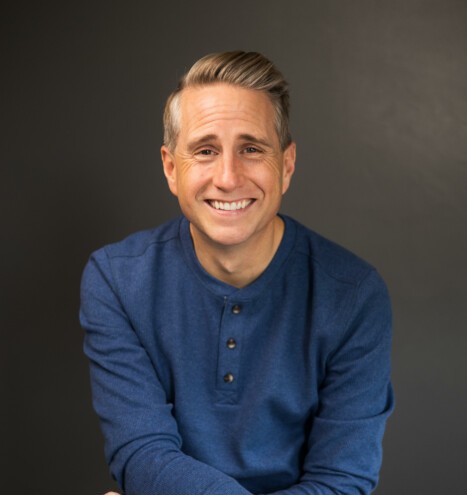
How Hate Mail Over One Movie Role Made Kirby Heyborne's Faith His Own
The emails started arriving after the film came out. He had played a British soldier in a war movie, and the soldier smoked. The cigarettes were fake, stage props, but that detail did not matter to the people writing to him. Members of his own faith told him that if their children ever chose to smoke or sin, the blame would rest on his head. He was twenty five years old, and the audience that had cheered him for years was suddenly turning on him.
Kirby Heyborne was, at that point, the most recognizable Latter-day Saint actor of his generation. He had starred in Singles Ward, The RM, and The Best Two Years, films that a whole culture watched and quoted. Many members pictured him as a kind of perpetual missionary. So when a role broke that image, the reaction cut deep, and it sent him back to a question he thought he had already answered.
In a recent episode of Why We Believe, host Nathan Gwilliam sits down with Kirby to trace how that wound became the turning point of his faith. What follows is the story of a testimony that had to move off the approval of other people and onto the Savior, and stay there.
A Faith That Started as Culture
Kirby grew up in Sandy, Utah, born in the covenant to good parents who were themselves born in The Church of Jesus Christ of Latter-day Saints. For a long time, faith was simply the family rhythm. They went to church because that is what the family did, the same way they sat down to dinner at a set time each night. He describes a fire inside him he could not yet name, because belief had never been tested or chosen. It was inherited.
The first crack of something personal came when he was a deacon. He loved passing the microphone at testimony meeting, the small ceremony of walking it to the next person who stood. Then one month a feeling started in his chest, telling him he needed to say something too. He resisted it for half a year, wondering what he would even say. Finally he gripped the mic he was already holding and, in a shaky, squeaky voice, told the room he loved his parents and knew the Church was true.
The words were simple, the cadence familiar to anyone raised in a pew. But he felt something real when he said them, and he kept bearing his testimony every fast Sunday after that. It was the first time his faith belonged to him rather than to his family, and it would not be the last time he had to make that choice.
Learning That Leaders Are Human
His mission was one of the hardest seasons of his life, and it forced a second reckoning. He had grown up treating bishops, stake presidents, and mission presidents as if they were flawless, men who knew everything and could not fail. On his mission he realized that this kind of leader worship was its own quiet form of idolatry. He was resting his testimony on the deeds of human beings, and human beings make mistakes.
So he asked himself a hard question. What would happen to his faith if one of those leaders fell? If the answer was that his faith would fall too, then it was built in the wrong place. By the time he was twenty two, sitting across from someone asking temple recommend questions, he understood that those questions were really between him and Heavenly Father. No one else could see his heart or answer for it.
That was the beginning of a settled conviction. Nothing else mattered as much as his own relationship with God. He did not know yet how soon that conviction would be tested in public, in front of the very audience that had made him a familiar face.
The Hate Mail That Solidified Everything
Then came Saints and Soldiers and the angry letters. The criticism hurt more because it came from inside his own faith community rather than from the world. These were people who had cheered for him, now telling him he had failed them.
His wife, whom he describes as the most spiritually grounded person he knows, reminded him of the lesson he had already learned once. He had spent years learning not to rest his worth on what a bishop or a mission president thought of him. This was the same trap wearing a different face. The opinions of the members, however loud, were not the foundation. The Savior was.
Because of that opposition, and because his wife pointed him back to the right rock, his faith did not crack. It set. He can point to his mid twenties as the moment his foundation became sure, and he credits the very anger that could have broken him with making him stronger. The fiery darts, he learned, sometimes come from your own side, and even those can be turned into ground to stand on.
The Resurrection Response
The most practical thing his wife taught him has a name in their home. She calls it the resurrection response, and it is a rule about waiting. When something offends you, or even when something exciting arrives, you wait three days before you respond. The first day you receive it. The second day you let it sit. The third day you come back to it stronger and clearer than you were.
Those angry emails were the perfect test. She told him he could do whatever he wanted, but she suggested he type out the furious reply, the one telling the sender how wrong they were, and then let it rest in his outbox for three days. He never sent a single one of them. Three days was always enough to change what he saw.
What he saw, after waiting, was a person. Three days later the sender looked less like an enemy and more like a son or daughter of Heavenly Father, and the anger drained out. Had he answered in the moment, he says, he would have wounded them, and a part of his own soul would have been wounded too. The resurrection response is really a way of letting charity catch up to the impulse.
Films That Help the World See Christ
That same instinct now shapes his work. Kirby describes filming Faith of Angels, where he played a father whose son is lost, a role that required him to weep through nearly the entire movie. His first approach was to sink into despair, imagining his own wife or child gone. It worked, but it left him hollow and exhausted, and he wondered how he could sustain it.
His wife offered another way. She reminded him that he cries easily at good things, at a father playing catch with a son, so why manufacture grief? The next day he drove to set thinking instead about the Savior who carries him, about gratitude for his friends and his work. The tears came just as freely, but this time he was lifted rather than drained. Same result, he says, from a place of thanks instead of despair.
Now his focus is a foundation he helped start that funds faith based films, work aimed at helping people outside his faith see believers portrayed honestly. When he signs an audiobook contract, greets a stranger in a grocery store, or stands on a set, he measures success by one thing. Not that people admire him, but that they walk away feeling a little closer to Jesus Christ.
Key Takeaways
Kirby Heyborne's story is really about where a testimony rests. Approval is a shaky foundation, because the moment your worth depends on what people think of you, every hard word can shake you, while faith anchored in the Savior holds. Leaders are human, and expecting them to be flawless quietly denies our own need for the Atonement. The people closest to us, especially a spouse who seeks the Spirit, can steady us when our hearts get tangled in offense. Waiting before we respond gives charity time to catch up, so we see a child of God instead of an enemy. And our kindness matters most when it points other people to Christ rather than to ourselves.
Thank you for reading this week's blog post inspired by the Why We Believe show. If you are interested in more stories like this, you can check out our other blog posts and episodes at WhyWeBelieve.com.
Follow the Why We Believe Show: Website: WhyWeBelieve.com | YouTube: @WhyWeBelieveShow | LinkedIn: @Why-We-Believe-Show | Instagram: @WhyWeBelievePodcast
Follow Nathan Gwilliam: LinkedIn: @NathanGwilliam
Follow Kirby Heyborne: Website: KirbyHeyborne.com | Instagram: @kirbyheyborne | Twitter/X: @KirbyHeyborne