
The Scripture That Sustained a President: Reagan's Letter to late Senator Jake Garn (with Jake Garn)
The Witness That Brought a Senator's Son Back to Jesus Christ
The first report was wrong, and it was still the worst moment of his life. Jake Garn was 19, standing in his grandmother's Salt Lake City home, when his father came into the room in tears and said it was just the two of them left. The family had been in a traffic accident in Nebraska. Hours later the correction came. The children had survived. His mother had not. She was gone, killed in the rollover, and the son who had spent five years drifting away from the faith she lived now had to decide what he believed about where she was.
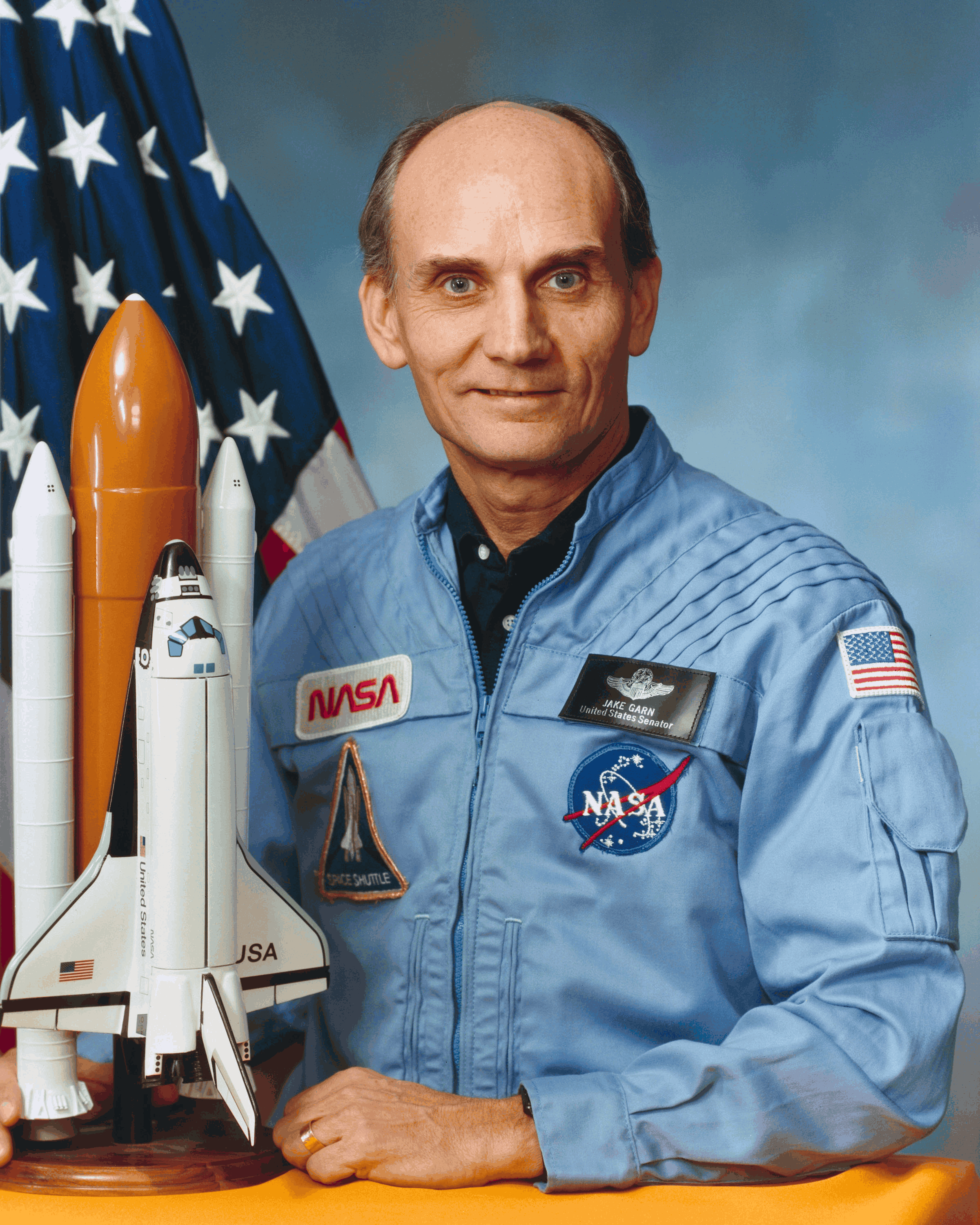
His father was Senator Jake Garn, a decorated Navy pilot, the mayor of Salt Lake City, a three-term United States Senator, and the first sitting member of Congress to fly in space. On this episode of Why We Believe, host Nathan Gwilliam sits down with the Senator's oldest son, a CPA who has spent 20 years with the Utah Insurance Department and now leads the Jake Garn Legacy Project. Jake came to tell his father's story. He ended up telling his own, and the two turn out to be the same story of faith, handed down and then earned.
A Reluctant Yes and the Long Drift
Jake describes his younger self as straight-laced, a boy who buttoned his shirt to the top, loved Primary, and felt he had a testimony. Then, at 14, a cousin lit up in front of him and pressed him to try it. Jake said no. The cousin pushed. Just once, he said. Jake gave a reluctant yes, and the once became a habit, and the habit carried him out of church activity a step at a time.
He did not storm out of the Church of his childhood. Few people do. He rationalized, telling himself he was fine, that he did not really need church, that he was not sure he had ever believed. The drift felt harmless right up until the morning his father stood in the doorway with the news from Nebraska.
Grief has a way of stripping the rationalizations bare. In the months after his mother's death, Jake found that the questions he had shelved would not stay shelved. He wanted to come back and was afraid to. He worried about what people would think of the black sheep walking into the chapel.
An Impression From Beyond His Own Mind
The turn did not come in a meeting. It came in an apartment in Salt Lake City, where Jake was going to school and working a custodial job at the University of Utah. An impression pressed into his mind, and he knew it had come from somewhere outside it. No matter how hard he tried to deny it, he knew that God is real, and he could not deny it.
A second prompting came while he was straightening his room at his grandmother's house. He picked up the Book of Mormon he had received at 12, when he was ordained a deacon, and moved to put it away. The thought came, again from beyond himself. Don't put it down. Read it. He read.
A home teacher named Don Peel stopped by, friendly and unhurried. Jake told his father he wanted to return but did not want a calling or a prayer assignment yet, and his father was thrilled to take him on those terms. Then, on a canoe with a friend, the clouds split, the light came through, and when the old friend group offered again, Jake gave a simple no thank you. Years later that same friend, Alan Wald, served a mission of his own. Jake served his at 23, older than most, and certain for the first time that the witness was his.
Sixteen Sunrises a Day
The episode gives equal time to the father whose example framed that return. In April 1985, Senator Garn flew aboard the Space Shuttle Discovery. Jake says the flight did not create his father's faith so much as confirm it. Circling the earth at 17,500 miles per hour, watching 16 sunrises and 16 sunsets a day, the Senator saw a world with no visible borders, nothing separating the children of God on spaceship Earth, and came home more convinced that we ought to love the way the Savior loved.
The faith behind that conviction showed up on the ground far more often than in orbit. Jake tells of the father's blessings given before each school year, of healing blessings recounted in the Senator's book Why I Believe, and of the year his sister Susan faced kidney failure. Three family members matched as donors. His father refused to let two of his children lie on operating tables at once and gave the kidney himself, then called it the most important thing he had ever done.
There is also the letter framed on Jake's office wall. President Ronald Reagan wrote it after receiving a Book of Mormon the Senator had given him, and in it he quoted Alma 60:11, the verse warning that we cannot sit on our thrones and expect God to deliver us while we do nothing. Reagan wrote that the verse sustained him through the campaign and through his recovery after he was shot.
A Legacy That Began With One Convert
The line of faith runs back further than the Senate or the shuttle. As a 19-year-old midshipman, seasick on a Navy ship, the future Senator prayed not for healing but for the strength to endure, and peace came. When the ship stopped in Norway, he found the birthplace of his great-great-grandmother, Annie Rasmussen, one of the first converts to the Church in that country. When she joined at 19, her family turned her out, and she made her way alone to Fairview, Utah. Near the end of her father's life, he finally wrote to tell her he loved her.
Jake visited those Norwegian cousins with his own sons a few years ago. They have not joined the Church, but they know Annie's story, and they honor it. Jake points to her choice as the reason the whole family line exists as it does. One young woman's willingness to give up her valley and her family still blesses generations she did not live to meet.
What Success Looks Like to Heaven
Jake is direct about the lesson he wants listeners to carry. He will not fly in space. He will not hold a Senate seat. And he insists it does not matter, because the world looks at success differently than Heavenly Father does. His father turned down a lucrative Washington offer after three terms to come home and watch his children's ball games, and he did not look back.
Jake's own measure of success is the testimony he rebuilt. He describes working through the logic of trust, seeing that people are flawed, seeing that he is flawed, and landing on the one place that holds. Heavenly Father does not get it wrong, and He does not leave His children alone. Jake came home one prompting at a time, and the road back gave him his wife, his seven children, his 13 grandchildren, and a witness he now shares wherever he can. His father's legacy is secure in the history books. The legacy Jake cares most about is the one Annie Rasmussen started and his mother carried, the kind measured in testimonies, not titles.
Key Takeaways
Jake's witness offers a pattern anyone can follow. God keeps reaching for His children who drift, and His witness can find us wherever we stand. The Spirit speaks in impressions we cannot deny. The veil is thin, and the faith of a departed mother can keep drawing her child toward Christ. A quiet no thank you can set two lives on the path to serve the Lord. And when everything else proves fragile, Heavenly Father remains the sure place to stand.
If Jake's story stirred something in you, listen to the full conversation on Why We Believe, and ask Heavenly Father for a witness of your own.
Thank you for reading this week's blog post inspired by the Why We Believe show. If you are interested in more stories like this, you can check out our other blog posts and episodes at WhyWeBelieve.com, or listen on Apple Podcasts and Spotify.
Follow the Why We Believe Show
WhyWeBelieve.com | YouTube: @WhyWeBelieveShow | LinkedIn: @Why-We-Believe-Show | Instagram: @WhyWeBelievePodcast
Follow Nathan Gwilliam
LinkedIn: @NathanGwilliam | Website: PodUp.com | Podcasts - Why We Believe: WhyWeBelieve.com | Podcasting Secrets: PodcastingSecrets.com
Website: JakeGarnLegacy.com | Facebook: @jacob.w.garn